Condition at purchase sets the baseline
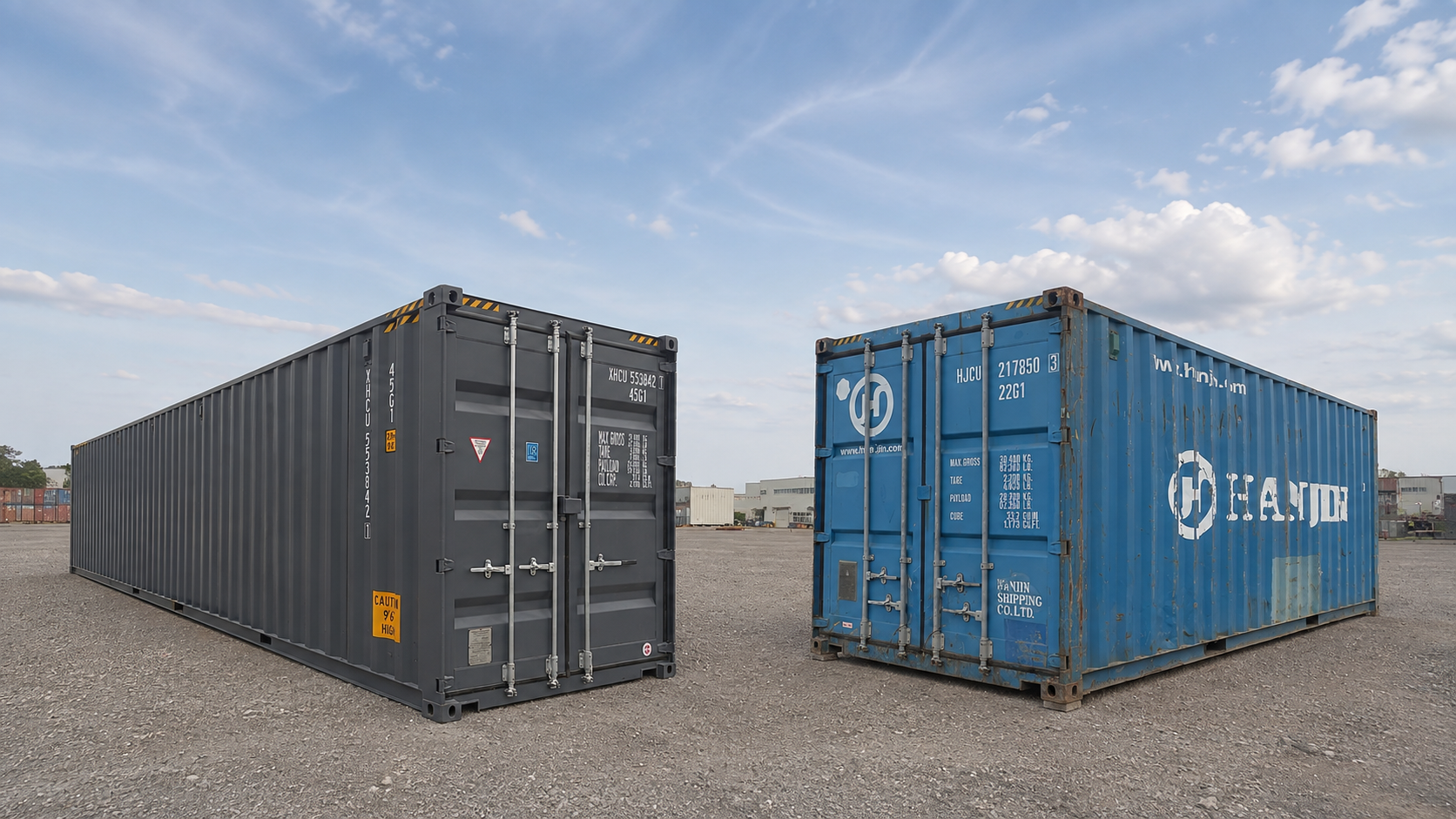
A one-trip unit normally begins with less wear than an older fleet container, but the exact shell, roof, doors, seals and floor still deserve review. Used containers can provide many years of stationary storage when selected and maintained for that purpose.
Water management protects steel and contents
Keep soil, snow and standing water away from the underside and lower rails. Maintain roof drainage, remove debris and correct areas where water sits. Level support also helps the doors remain aligned.
- Inspect roof and corner areas
- Touch up coating damage before corrosion spreads
- Keep door seals clean and intact
- Lubricate suitable door hardware
Usage changes wear
Frequent door cycles, forklift traffic, corrosive goods, road salt, coastal exposure and poorly planned modifications can shorten service life. Light stationary storage in a well-drained location is a different duty cycle from active cargo service.
Inspect on a schedule
Check the roof, walls, welds, vents, locking gear, seals, floor and supports at least seasonally and after severe weather or impact. Repair the cause of moisture or movement rather than covering the symptom.
Helpful answers before you decide
Can an older container still be a good purchase?+
Yes, when its current condition suits the intended use and the delivered price reflects wear and expected maintenance.
What maintenance matters most?+
Drainage, level support, roof and coating inspection, door alignment, seals and early corrosion repair are practical priorities.