Confirm access and clearance
Walk the complete path from the road to the placement point. Look for gates, tight corners, parked vehicles, soft shoulders, septic fields, overhead wires, branches, eaves and changing ground conditions.
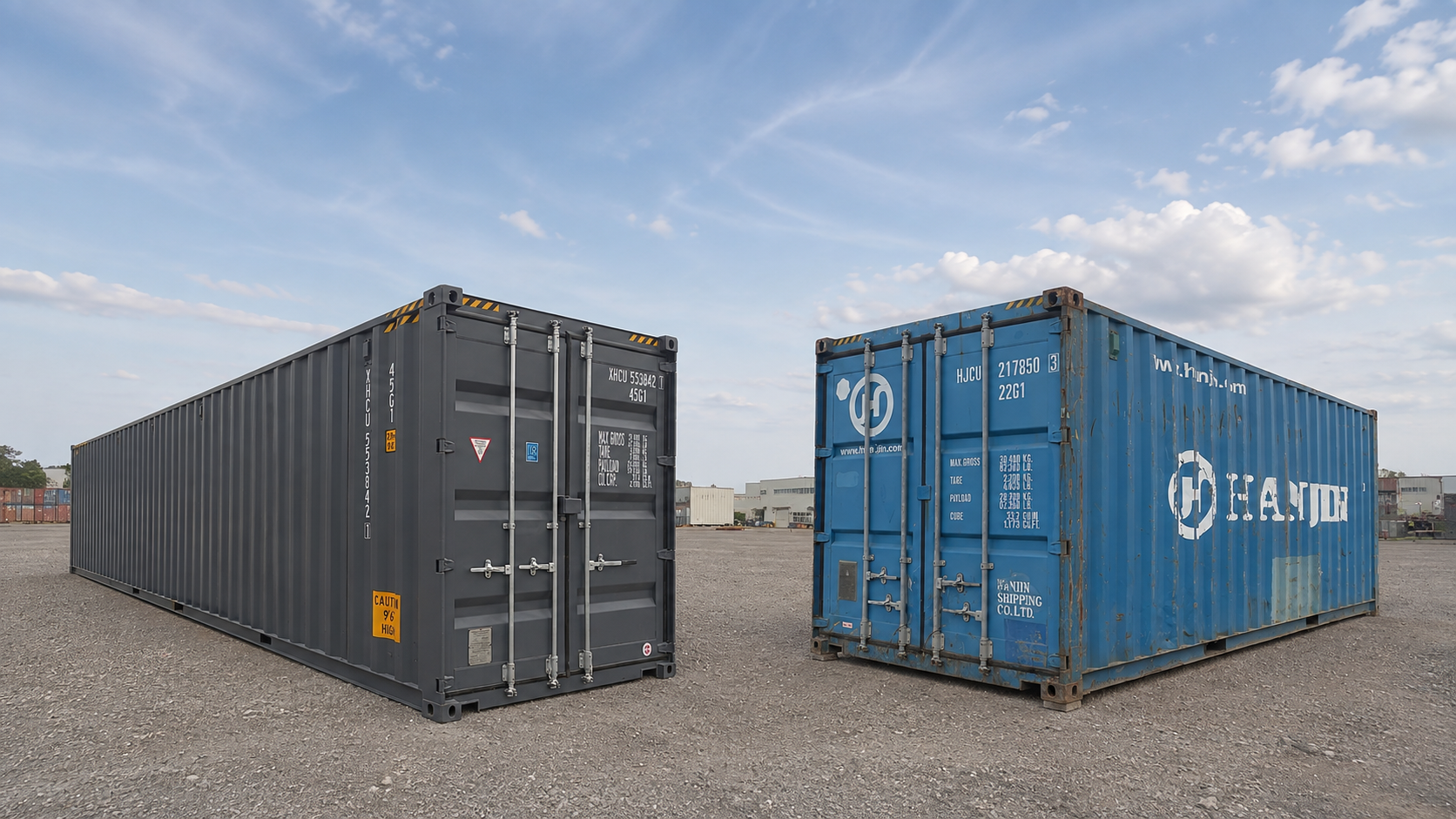
- 20FT planning allowance: about 70 feet
- 40FT planning allowance: about 110 feet
- Clear width and overhead height
- Safe turning and exit route
Prepare stable support
Containers perform best when supported level with drainage away from the floor and door end. Compacted gravel, engineered pads or suitable blocking may be appropriate depending on soil and use. The customer is responsible for site suitability unless a separate service is arranged.
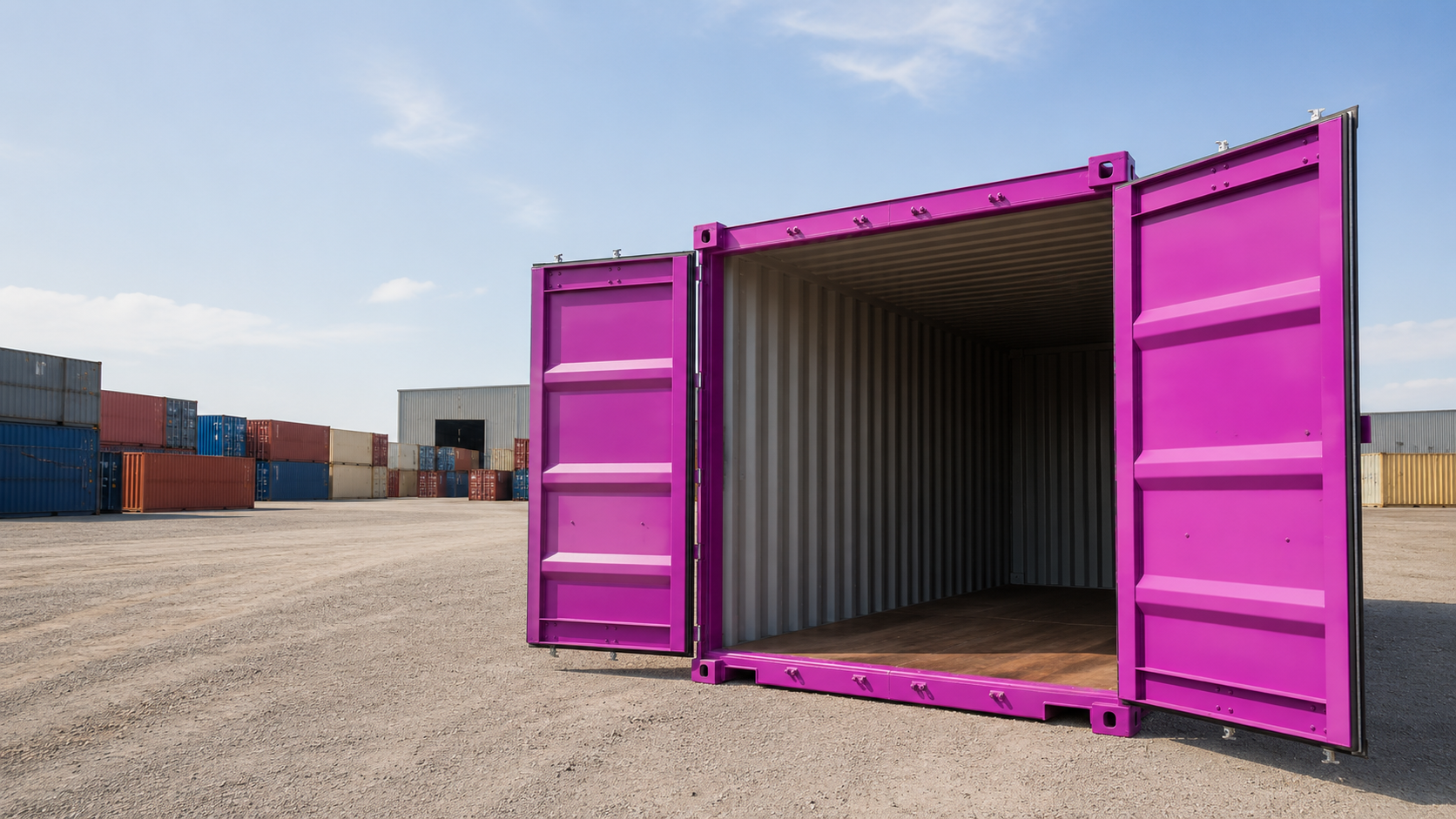
Choose the door direction
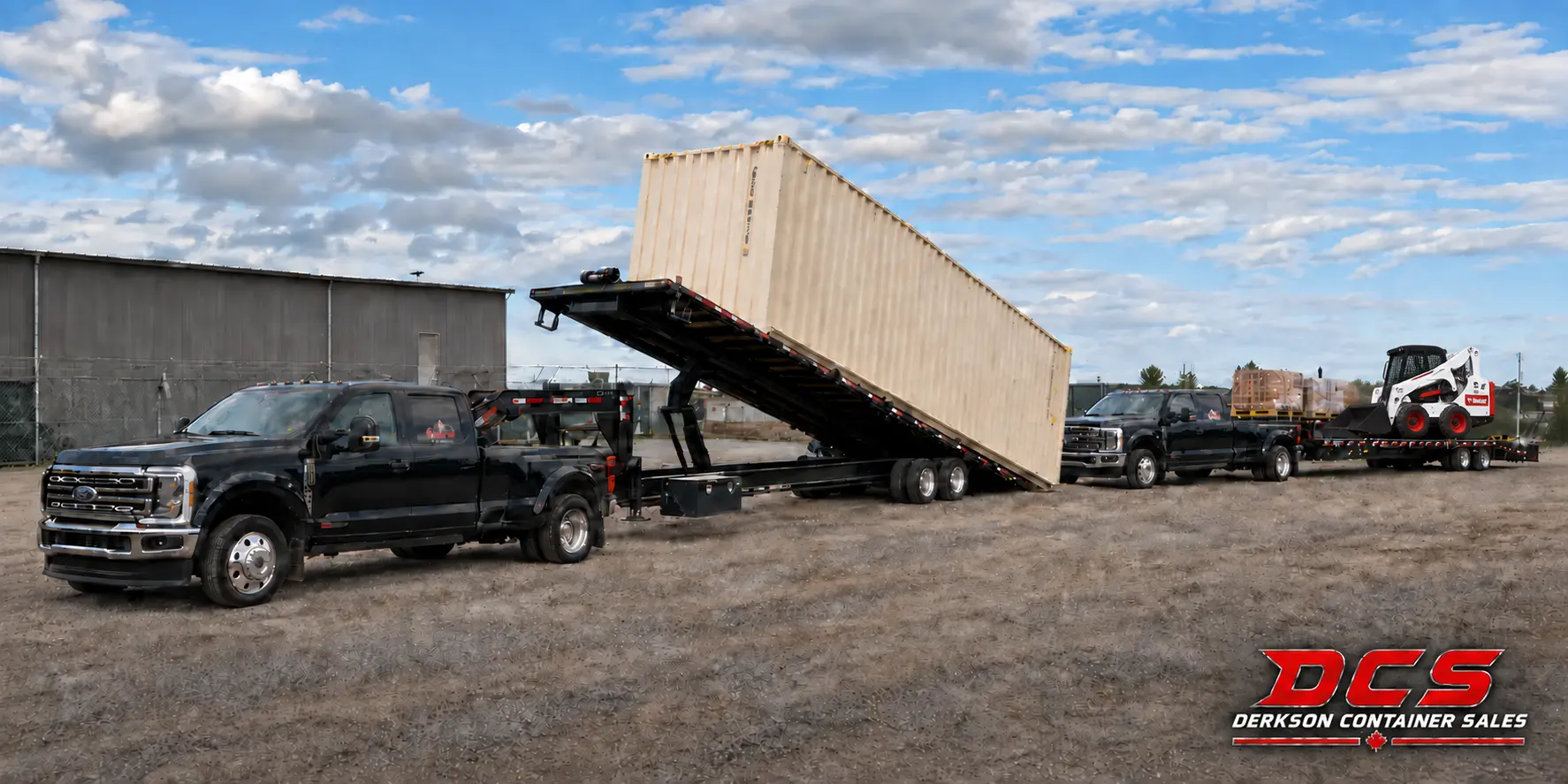
Tilt-deck delivery is directional. Tell the dispatcher where the container doors must finish and confirm whether the unit should unload doors-first or doors-last. Photos and a marked site sketch can prevent confusion.
Plan for delivery day
Keep people, pets, vehicles and equipment clear. Recheck weather and ground conditions. Derkson includes a site-time allowance for normal pickup and placement; verified delays beyond the allowance may be adjusted on the final invoice under the delivery terms.
Helpful answers before you decide
Can a container be placed on soil or grass?+
It may be possible, but soft or uneven ground can cause access and long-term leveling problems. A firm, drained and level base is strongly preferred.
Who confirms final placement safety?+
The driver must make the final decision based on current access, slope, ground, overhead clearance and safe equipment operation.